


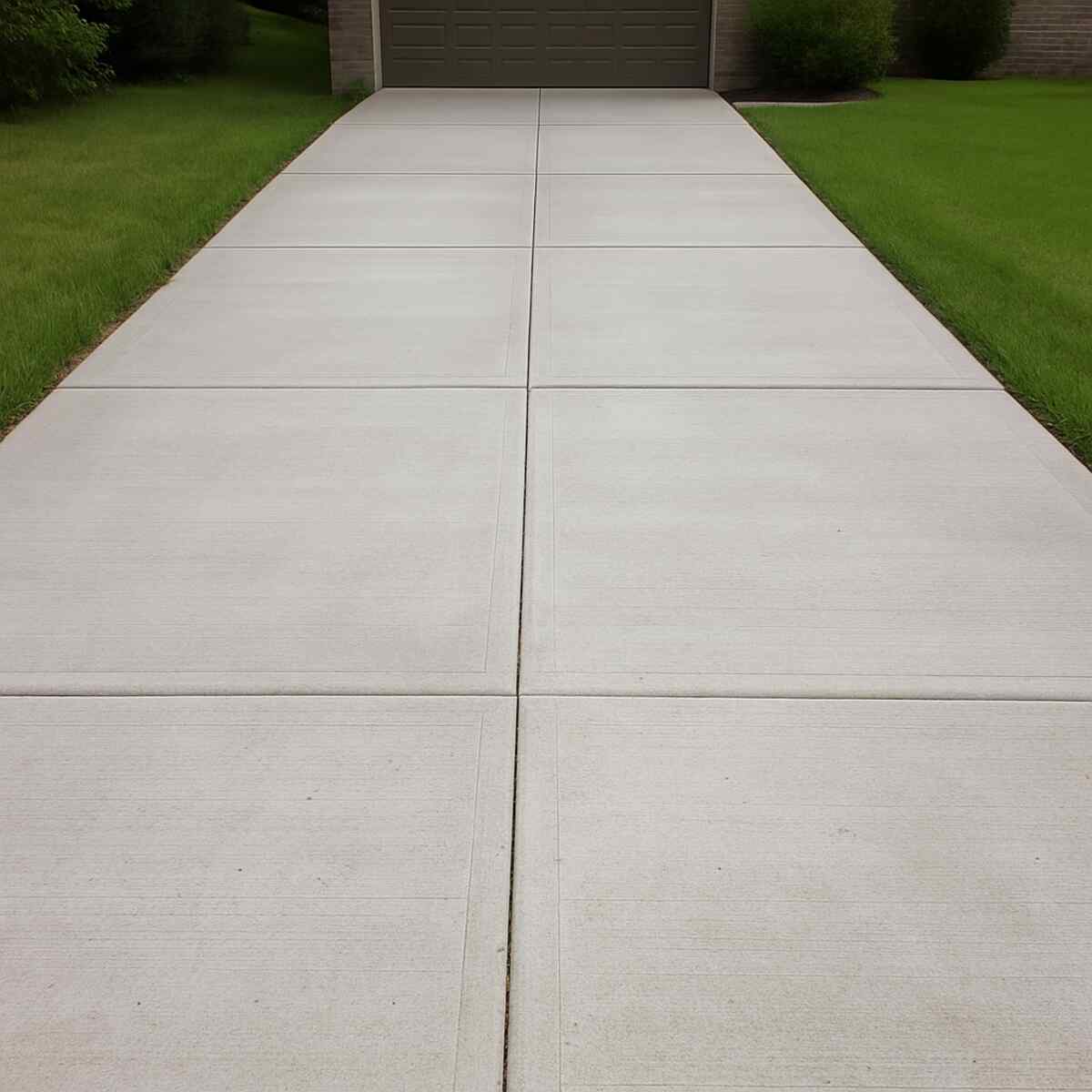
Selecting the right contractor for your concrete driveway project is crucial. An excellent contractor will ensure that your driveway is durable, attractive, and built to last. But with so many options available, how do you find the best one for your needs? In this guide, we’ll walk you through the key factors to consider when choosing a concrete driveway contractor in Pittsburg. Browse the Best info about concrete driveway contractors Pittsburg.
A well-constructed driveway adds value to your home and enhances its curb appeal. It’s not just about looks; a solid driveway is also about functionality and longevity. A professional contractor will use quality materials and proven techniques to ensure your driveway withstands the test of time. Choosing the right contractor can mean the difference between a smooth, long-lasting driveway and one that requires frequent repairs.
Adding Value and Curb Appeal
A driveway isn’t merely a functional element of your home; it’s a significant part of its exterior appearance. A well-designed and constructed driveway can significantly enhance the curb appeal of your property, making it more attractive to potential buyers if you ever decide to sell. The visual impact of a professionally done driveway can elevate the entire look of your property, blending seamlessly with the landscape and architectural style.
Ensuring Durability and Longevity
The durability of your driveway is paramount. A driveway that stands the test of time saves you money and hassle in the long run. A good contractor will use high-quality materials and construction methods to prevent common issues such as cracking, sinking, and water damage. By investing in a solid driveway, you reduce the need for frequent repairs and replacements, ensuring the longevity of your investment.
The Role of Professional Expertise
Professional contractors bring a wealth of expertise to the table. They understand the nuances of different materials, weather impacts, and soil conditions, which are critical to constructing a durable driveway. Their experience allows them to anticipate potential challenges and address them proactively, ensuring that your project is completed efficiently and effectively.
Research and Referrals
Start with Research
Begin by researching local contractors. Use search engines to find “concrete driveway contractors Pittsburg” and make a list of potential candidates. Look for contractors with professional websites that outline their services, experience, and examples of past work.
Leverage Online Reviews
Online reviews are a valuable resource when researching contractors. Websites like Yelp, Google Reviews, and Angie’s List can provide insights into a contractor’s reliability and quality of work. Pay attention to both the positive and negative feedback to get a balanced view of their reputation. Consistent complaints or praise about specific aspects of their service can be telling.
Ask for Referrals
Word of mouth is a powerful tool. Ask friends, family, or neighbors who have recently had driveway work done for recommendations. They can provide firsthand insights into their experiences, helping you understand what to expect from different contractors.
Explore Social Media Feedback
Social media platforms can also offer a wealth of information about contractors. Check local community groups or forums on platforms like Facebook or Nextdoor for discussions about driveway contractors. These platforms often host candid discussions that can reveal insights you might not find elsewhere.
Reviewing Credentials and Experience
Check Credentials
Ensure that any contractor you consider is licensed and insured. A license indicates that the contractor meets the necessary professional standards, while insurance protects you from liability in case of accidents.
Verify Licenses and Certifications
Licenses and certifications are more than just paperwork; they are proof of a contractor’s qualifications. Verify the licenses with local authorities to ensure they are current and valid. Certifications from industry organizations can also indicate a commitment to ongoing education and adherence to industry standards.
Evaluate Experience
Experience matters. Look for contractors who have been in the business for several years. Experienced contractors are more likely to have encountered a variety of project challenges and know how to overcome them effectively.
Assess Past Projects
Experience is often reflected in a contractor’s portfolio of past projects. Look for diversity in their work, indicating their ability to handle different styles and challenges. A contractor who has completed a range of projects will likely have the necessary skills to tackle any unique requirements your project may present.
Check for Industry Affiliations
Affiliations with industry organizations can be a sign of professionalism and a commitment to staying updated with industry trends. These affiliations often require adherence to a code of ethics and provide access to ongoing training, which can be beneficial for the quality of work you receive.
Analyzing Past Work
Request a Portfolio
Ask potential contractors for a portfolio of their previous work. This should include photos of completed driveways. By examining their past projects, you can assess the quality of their work and see if their style matches your vision.
Evaluate Project Diversity
A comprehensive portfolio will showcase a variety of projects, highlighting the contractor’s versatility. Look for evidence of different styles and materials, which can be an indicator of their capability to adapt to your specific needs. This diversity can also showcase their problem-solving skills and creativity.
Visit Past Sites
If possible, visit some of the contractor’s previous work sites. Seeing their work in person gives you a better sense of the quality and durability of their projects. It also allows you to speak with previous clients about their satisfaction with the contractor’s work.
Speak with Previous Clients
Talking to previous clients can provide invaluable insights into a contractor’s work ethic, reliability, and quality. Ask about their overall experience, any challenges they encountered, and how the contractor handled them. Satisfied clients are usually eager to share their positive experiences.
Inspect Workmanship Quality
When visiting past sites, pay attention to the details of the construction. Look for signs of quality workmanship, such as smooth finishes, even surfaces, and well-defined edges. These details can be indicative of the contractor’s attention to detail and commitment to quality.
Communication and Customer Service
Evaluate Communication Skills
Good communication is essential for any successful project. Pay attention to how quickly the contractor responds to your inquiries and how clearly they explain their process. Effective communication ensures that your expectations are understood and met.
Assess Responsiveness
A contractor’s responsiveness can be a good indicator of their customer service standards. Timely responses to your inquiries suggest that they value your business and are committed to maintaining clear communication. Delayed or evasive responses can be a red flag for potential issues down the line.
Assess Customer Service
Customer service is a key indicator of a contractor’s professionalism. Choose someone who is respectful, patient, and willing to answer all your questions. This attitude often reflects how they will handle your project.
Gauge Professionalism and Respect
Professionalism is reflected in how a contractor interacts with you. They should treat you with respect, listen to your concerns, and address them promptly. A contractor who values customer service is likely to handle your project with the same level of care and attention.
Discuss Project Expectations
Clear communication about project expectations is crucial. A good contractor will take the time to discuss your vision, offer suggestions, and provide feedback. This dialogue ensures that both parties are aligned, reducing the likelihood of misunderstandings or disappointments.
Comparing Quotes and Pricing
Get Multiple Quotes
Don’t settle for the first quote you receive. Instead, get estimates from several contractors to compare pricing. Ensure that each quote is detailed, outlining the scope of work, materials to be used, and the project timeline.
Analyze Quote Details
A detailed quote provides transparency and helps you understand what you’re paying for. Look for breakdowns of labor costs, materials, and any additional fees. A transparent quote allows for easy comparison and can help you spot any hidden costs.
Be Wary of Low Bids
While it might be tempting to go with the lowest bid, it could be a red flag. Extremely low bids may indicate that the contractor is cutting corners, using inferior materials, or not paying their workers fairly. Remember, you often get what you pay for.
Consider Value Over Cost
While cost is an important factor, it’s equally important to consider the value you’re receiving. A slightly higher bid from a reputable contractor with excellent reviews and proven quality may offer better long-term value than a cheaper alternative that may require frequent repairs.
Discuss Payment Plans
Discussing payment plans upfront can prevent future misunderstandings. A reputable contractor will be open to discussing payment schedules that align with project milestones. This approach ensures that payments are tied to progress, providing peace of mind for both parties.
Understanding the Contract
Review the Contract Thoroughly
Once you’ve chosen a contractor, review the contract carefully before signing. The contract should include all details of the project: start and finish dates, payment schedule, materials used, and warranty information.
Confirm Contract Details
Ensure that the contract clearly outlines all aspects of the project, leaving no room for ambiguity. Confirm that all verbal agreements are reflected in the written contract, as this document will serve as the legal foundation for your project.
Discuss Payment Terms
Clarify the payment terms with your contractor. A common practice is to pay a portion upfront and the remainder upon completion. Avoid contractors who demand the full payment before work begins.
Understand Warranty Provisions
A warranty provides assurance that the contractor stands by their work. Make sure you understand the terms of any warranty offered, including what is covered and for how long. A clear understanding of warranty provisions can save you headaches if issues arise in the future.
Ensure Change Order Procedures
Projects can sometimes evolve, requiring changes to the original plan. Ensure that the contract includes procedures for handling change orders, including how they will be documented and approved. This clarity can prevent disputes if changes are needed during the project.
Importance of Permits and Regulations
Ensure Permits Are Secured
A reputable contractor will handle the necessary permits for the project. Verify that your contractor is aware of local building codes and regulations and will secure the required permits before starting work.
Understand Permit Responsibilities
Understanding who is responsible for securing permits is crucial. While most contractors will handle this aspect, confirm this in advance to avoid potential legal issues. Ensure that permit acquisition is part of the agreed-upon responsibilities in your contract.
Discuss Compliance
Ensure that your contractor complies with all safety and environmental regulations. This protects you from potential legal issues and ensures that the project is completed safely and responsibly.
Verify Regulatory Knowledge
A contractor’s knowledge of local regulations is vital for a smooth project. Verify that they are familiar with current building codes, zoning laws, and environmental regulations. This expertise can prevent delays and ensure that your project adheres to all legal requirements.
Ensure Safety Standards
Safety should be a top priority for any construction project. Discuss the contractor’s safety protocols and ensure they are in line with industry standards. This focus on safety protects both the workers and your property throughout the construction process.
Finalizing Your Decision
Trust Your Instincts
After gathering all the necessary information, trust your instincts. Choose a contractor with whom you feel comfortable and confident. The right contractor will make you feel at ease and confident in their ability to deliver a quality driveway.
Reflect on Gathered Information
Reflect on all the information you’ve gathered throughout the selection process. Consider the contractor’s experience, communication, pricing, and past work. Weigh these factors against your personal impressions to make an informed decision.
Prepare for the Project
Once you’ve made your choice, prepare for the project by clearing the area and discussing any final details with your contractor. Effective preparation can help the project run smoothly and avoid unnecessary delays.
Discuss Final Project Details
Discuss any final details with your contractor before the project begins. This includes confirming the start date, addressing any last-minute concerns, and ensuring that both parties are clear on the project timeline and expectations.
Establish a Communication Plan
Establish a communication plan with your contractor to ensure smooth progress. Determine the best methods and frequency of updates, allowing you to stay informed and address any issues promptly throughout the project’s duration.
Conclusion
Choosing the right concrete driveway contractor in Pittsburg requires careful consideration and research. By following these steps, you can find a professional who will deliver a high-quality driveway that enhances your home’s value and appearance. Remember, the right contractor is an investment in your home’s future. Taking the time to make an informed decision will ensure a smooth, successful project that meets your expectations and stands the test of time.
