


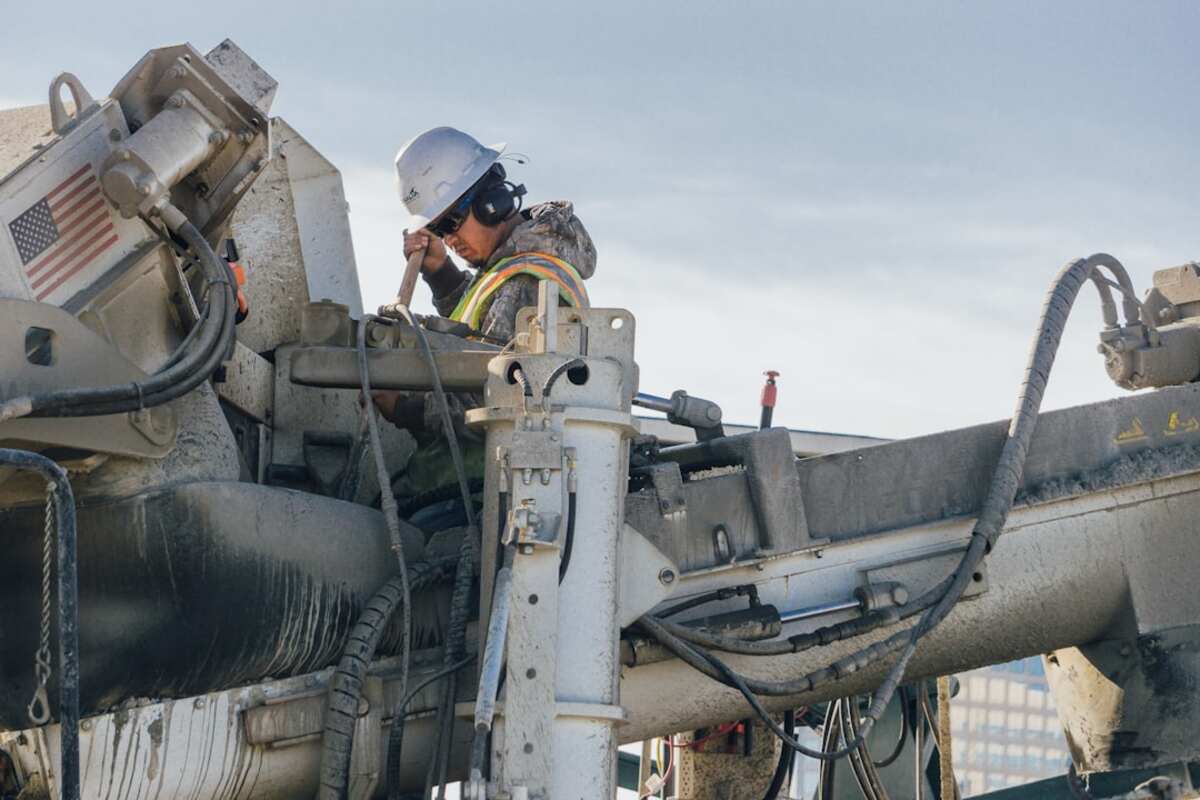
When it comes to working with concrete, having the right skills is crucial. Whether you’re a seasoned concrete contractor or just starting as a concrete finisher, understanding the essential skills needed can make all the difference in your projects. Concrete work isn’t just about mixing and pouring; it’s about precision, artistry, and safety. Let’s explore the skills every concrete worker must master to excel in this demanding field. The best guide to finding Concrete Contractors Houston Texas.
Concrete is a mix of cement, water, sand, and gravel. But the magic happens in how these ingredients are combined. The mix’s strength, durability, and workability depend on getting the proportions just right. A concrete worker must understand the properties of these materials and how environmental factors like temperature and humidity can affect the mix.
Composition and Properties
The composition of concrete is what gives it its unique properties. Cement acts as a binding agent, while water initiates the chemical process called hydration. Understanding how these components interact is essential for achieving a mix that is both strong and workable. The ratio of sand and gravel impacts the mix’s texture and structural integrity. A well-informed concrete worker knows how to adjust these ratios to suit different project requirements and environmental conditions.
Environmental Impacts on Concrete
Environmental factors such as temperature and humidity play a significant role in concrete curing. High temperatures can accelerate the curing process, leading to cracks, while low temperatures can slow it down, affecting the overall strength. Humidity levels also influence the evaporation rate of water, crucial for hydration. Concrete workers must be adept at adapting their techniques to account for these variables, ensuring the concrete sets correctly.
Technological Advances in Concrete
In recent years, technological advancements have introduced new materials and additives that enhance concrete properties. For instance, superplasticizers improve workability without compromising strength, while fibers can be added to increase tensile strength. Staying updated with these innovations allows concrete workers to leverage new materials for improved project outcomes. Knowledge of these technological enhancements can set a worker apart in a competitive industry.
The Importance of Mixing and Pouring
The foundation of any concrete project is mixing. An effective concrete worker knows how to measure and mix the ingredients to achieve the desired consistency and strength. Pouring is equally important; it requires precision to ensure that the concrete is evenly distributed and free of air pockets, which can weaken the structure.
Techniques for Optimal Mixing
Mixing concrete is an art that requires precision and timing. Using the right amount of water is crucial; too much can weaken the mix, while too little can make it difficult to work with. Workers often use mechanical mixers for large batches to ensure uniformity. Understanding the correct mixing time is also vital; over-mixing can lead to segregation of materials, whereas under-mixing can result in an uneven blend.
Precision in Pouring
Pouring concrete is a meticulous process that demands attention to detail. Workers must ensure that the concrete flows smoothly into molds or forms without leaving voids. Techniques such as vibrating the concrete can help eliminate air pockets and ensure a compact, solid structure. The timing of the pour is critical as well; it needs to be completed before the concrete begins to set to prevent weak joints.
Addressing Common Pouring Challenges
Pouring concrete presents several challenges, such as dealing with uneven terrain or tight spaces. Workers must be skilled in creating temporary supports or using specialized equipment like pumps to reach difficult areas. Tackling these challenges effectively requires experience and problem-solving skills. Understanding how to adapt the pouring process to different project conditions is a mark of a proficient concrete worker.
Mastering Finishing Techniques
Once the concrete is poured, the finishing process begins. This involves leveling, smoothing, and texturing the surface to create a durable and aesthetically pleasing finish. Concrete finishers use tools like trowels, screeds, and floats to achieve the desired result. The skill lies in knowing when to start finishing-the timing must be perfect to avoid imperfections.
Tools and Techniques for Finishing
Finishing concrete requires a variety of tools, each serving a specific purpose. Trowels are used for smoothing surfaces, while screeds help level the concrete. Floats are employed to create a fine finish and remove imperfections. Mastery of these tools is crucial for achieving a high-quality finish. Workers must also be adept at using edgers and groovers to create joints and edges that prevent cracking.
Timing and Environmental Considerations
The timing of finishing processes is critical to avoid surface defects. Starting too soon can lead to water rising to the surface, weakening the concrete, while starting too late can make it difficult to achieve a smooth finish. Environmental conditions like temperature and wind can affect the drying process, requiring workers to adjust their techniques accordingly. A good finisher reads these conditions and adapts their approach to ensure a flawless finish.
Artistic Elements in Finishing
Finishing concrete also involves adding artistic elements, such as textures or patterns, to enhance aesthetic appeal. Techniques like stamping or staining can create visually appealing surfaces. Workers skilled in these decorative methods can offer clients more creative options. Artistic finishing requires a balance of precision and creativity, making it a valuable skill in the concrete industry.
Safety Skills and Best Practices
Safety is a top priority in any construction job, and concrete work is no exception. Concrete workers must be familiar with safety protocols and equipment to protect themselves and others on site.
Comprehensive Personal Protective Equipment (PPE)
Wearing the right PPE is essential. This includes hard hats, gloves, safety glasses, and steel-toed boots. Depending on the job, respirators and hearing protection may also be necessary. A well-equipped concrete worker is always prepared to handle the job safely. Regularly inspecting and maintaining PPE ensures that it provides the necessary protection, and workers should be trained in the correct use of each piece of equipment.
Site Safety and Hazard Identification
Being aware of your surroundings on a construction site is crucial. Concrete workers must be trained to recognize potential hazards, such as heavy equipment, unstable scaffolding, and wet surfaces. They should also know how to respond to emergencies and administer basic first aid. Regular safety drills and briefings can help reinforce these skills and ensure workers are prepared for any situation.
Emergency Preparedness and Response
Having a plan for emergencies is a vital aspect of safety in concrete work. Workers should be familiar with site evacuation routes and emergency protocols. Knowing how to quickly and effectively respond to incidents can prevent injuries and save lives. It is also essential for workers to stay calm and communicate clearly during emergencies, ensuring that everyone on site is accounted for and safe.
Technical Skills for Concrete Workers
Concrete work is as much about technical know-how as it is about physical labor. Having a solid grasp of the tools and techniques used in concrete work is essential.
Mastery of Tools and Equipment
Concrete workers use various tools, from hand tools like hammers and chisels to power tools like mixers and drills. Understanding how to operate and maintain these tools is vital for efficiency and safety. Workers must also be familiar with equipment like concrete pumps and vibrators, which help ensure the concrete is compacted and free of air bubbles. Regular maintenance and proper handling extend the lifespan of tools and prevent accidents.
Deciphering Blueprints and Specifications
Many concrete projects require workers to follow detailed blueprints or plans. Being able to read and interpret these documents is a critical skill. It ensures that the project is built to specifications and helps avoid costly mistakes. Workers should also be able to understand specifications related to concrete mix design and structural requirements, ensuring that all aspects of the project align with the intended design.
Mathematical Precision in Concrete Work
Concrete workers often need to calculate volumes, areas, and material quantities. Basic math skills are essential, as is the ability to measure accurately. Mistakes in measurements can lead to significant problems, such as ordering too much or too little material. Workers should also be skilled in using measurement tools like levels and measuring tapes to ensure precision on site.
Communication and Teamwork
Concrete projects are rarely solo endeavors. They require collaboration and effective communication with other workers, supervisors, and clients.
Clarity and Efficiency in Communication
Being able to communicate clearly is important for understanding instructions and conveying information. Miscommunication can lead to errors and delays. Concrete workers should also be able to discuss any issues or concerns with their team or supervisors. Effective communication includes listening actively and providing feedback, ensuring that everyone is on the same page.
Building Strong Team Dynamics
Concrete work often involves working as part of a larger team. Cooperation and teamwork are essential for completing projects efficiently and safely. Workers should be able to assist their teammates and be open to feedback. Building strong team dynamics involves fostering a culture of respect and collaboration, where each member contributes to the success of the project.
Conflict Resolution and Problem-Solving
In any team setting, conflicts may arise. Concrete workers need to be equipped with conflict resolution skills to handle disagreements professionally. Addressing issues quickly and effectively prevents them from escalating and affecting project timelines. Problem-solving skills are equally important, as they allow teams to navigate challenges and find solutions collaboratively.
Continuing Education and Skill Development
The construction industry is always evolving, and concrete workers need to stay updated with the latest techniques and technologies.
Embracing Ongoing Training Opportunities
Many organizations offer training programs and certifications for concrete workers. These programs can enhance your skills and make you more competitive in the job market. Staying informed about new materials, tools, and methods can also improve your work quality and efficiency. Engaging in ongoing training shows a commitment to professional growth and adaptability.
Gaining Insights from Experience
Hands-on experience is one of the best ways to learn. As you work on different projects, you’ll encounter new challenges that require problem-solving and adaptability. Taking the time to reflect on your experiences and learning from them can help you grow as a concrete worker. Sharing knowledge and experiences with peers can also provide new perspectives and insights.
Keeping Pace with Industry Innovations
The construction industry continually advances with new technologies and methods. Staying up to date with these changes is crucial for maintaining a competitive edge. Attending industry conferences, participating in workshops, and subscribing to relevant publications are excellent ways to keep informed. Embracing innovation allows concrete workers to offer cutting-edge solutions and improve project outcomes.
Conclusion
Working with concrete requires a blend of technical skills, safety awareness, and teamwork. Whether you’re mixing a small batch for a patio or working on a large commercial project, mastering these essential skills will help you succeed. By prioritizing safety, improving your technical abilities, and continuing your education, you’ll be well-equipped to handle the demands of any concrete job. Remember, the key to success in concrete work is not just hard work, but smart work.
